

Why Are My Eyes Still Dry After Using Eye Drops? When to Consider Professional Dry Eye Treatment
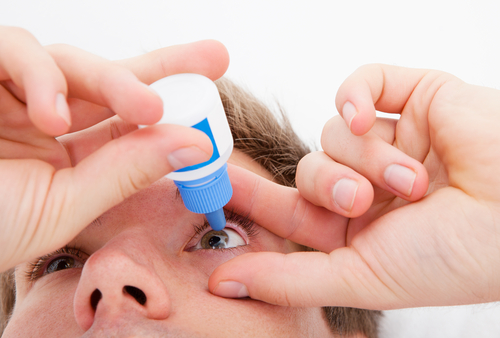
Why Are My Eyes Still Dry After Using Eye Drops? When to Consider Professional Dry Eye Treatment
Eye drops can soothe dry eyes, but relief that fades quickly may mean there is more to address. If you keep reaching for the bottle without lasting comfort, we can help identify why. At Image Eye Care in Weldon Spring, we look beyond symptoms to understand what is affecting your tear film.
Why Eye Drops May Offer Only Temporary Relief
Artificial tears add lubrication, but they may not fully address the cause of dry eye. Your eyes may produce too few tears, or your tears may evaporate too quickly.
One common contributor is meibomian gland dysfunction. These glands along the eyelids release oils that help slow tear evaporation. When they become blocked or do not work properly, adding moisture alone may not provide enough relief. Eyelid inflammation can also keep irritation going.
The Type of Eye Drops Matters
Not every eye drop is designed to treat dryness. Redness-relief drops are not a substitute for lubricating artificial tears. Some lubricating drops also contain preservatives that can irritate sensitive eyes, particularly with frequent use.
We can review your current drops and discuss whether a preservative-free option would be appropriate. Bring the bottle or a photo of its label to your appointment so we can check exactly what you are using.
When to Schedule a Dry Eye Evaluation
You do not need to wait until discomfort becomes severe. Consider professional dry eye treatment in Weldon Spring if you notice:
Burning, stinging, or grittiness that keeps returning despite eye drops
Relief that lasts only briefly or a growing need for drops
Blurry vision that comes and goes during reading or computer work
Watery eyes that still feel irritated or dry
Contact lens discomfort or symptoms that interrupt daily activities
Sudden vision changes, severe eye pain, or significant redness need prompt evaluation rather than continued self-treatment with drops.
What We Check During Your Visit
We review your symptoms, medications, contact lens habits, and daily activities. We also examine your eyelids and eye surface and assess tear production and how quickly your tear film breaks up.
This helps us determine whether evaporation, low tear production, eyelid inflammation, or another problem is contributing to your discomfort. Knowing the cause allows us to recommend care that fits your eyes.
Treatment Beyond Over-the-Counter Drops
Depending on our findings, we may recommend prescription medication, a warm-compress and eyelid-care routine, or in-office treatment for meibomian gland dysfunction. Artificial tears may still be part of your care plan.
We also discuss practical changes, such as taking screen breaks, avoiding direct airflow, and using a humidifier in dry indoor environments. Follow-up visits help us assess your response and adjust treatment when needed.
If eye drops are not giving you enough relief, contact Image Eye Care in Weldon Spring, MO, by calling (636) 447-2244 to schedule a dry eye evaluation and explore a treatment plan tailored to your needs.

Make a
Payment

Book an
Appointment
MAP
Powered by: 