

Keratoconus Explained: Early Signs, Symptoms & Treatment Options
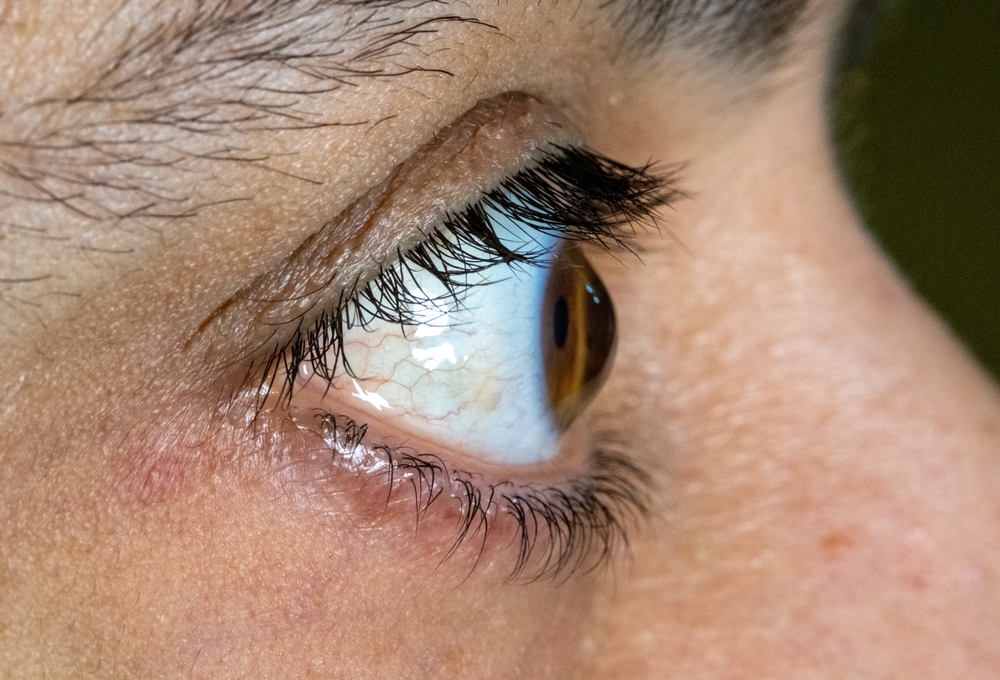
Keratoconus is a progressive eye condition that affects the shape and clarity of the cornea, often developing during the teenage years or early adulthood. Because early symptoms can be subtle and easily mistaken for routine vision changes, understanding keratoconus is key to protecting long-term eye health and vision quality.
What Is Keratoconus?
The cornea is the clear, dome-shaped surface at the front of the eye that helps focus light. In keratoconus, the cornea gradually thins and bulges outward into a cone-like shape rather than remaining smooth and round. This irregular shape prevents light from focusing properly on the retina, leading to distorted and fluctuating vision.
Early Signs and Symptoms to Watch For
Keratoconus often begins quietly, which is why routine eye exams are so important. Early warning signs may include:
Blurry or distorted vision that cannot be fully corrected with glasses
Frequent changes in eyeglass or contact lens prescriptions
Increased sensitivity to light and glare
Ghosting, halos, or streaks around lights
Difficulty seeing clearly at night
Eye strain or headaches from visual distortion
As the condition progresses, traditional glasses or soft contact lenses may no longer provide clear vision.
How Keratoconus Is Diagnosed
Modern diagnostic technology allows eye doctors to detect keratoconus earlier than ever before. Corneal mapping and topography create detailed images of the cornea’s shape and thickness, helping identify even mild or early changes. Early diagnosis is critical, as it opens the door to more effective vision management.
Treating Keratoconus
While keratoconus cannot be cured, vision can often be significantly improved with the right treatment approach. One of the most effective non-surgical options is specialty contact lenses.
Scleral lenses are larger, custom-designed contact lenses that rest on the white part of the eye (the sclera) rather than directly on the cornea. This design allows the lens to vault over the irregular corneal surface, creating a smooth optical surface for clearer vision.
Benefits of scleral lenses include:
Sharper, more stable vision compared to glasses or soft lenses
Increased comfort, even for sensitive or irregular corneas
A fluid reservoir between the lens and eye that can help improve comfort for dry or irritated eyes
Customized fitting for each patient’s unique eye shape
For many patients with keratoconus, scleral lenses can dramatically improve both vision and quality of life.
Find the Right Solution for Your Vision
Keratoconus is a complex condition, but understanding its early signs and available treatment options makes a powerful difference. Advances in specialty contact lenses have transformed the way keratoconus is managed, allowing many patients to see clearly without surgery.
If you’re experiencing symptoms of keratoconus, schedule a comprehensive eye exam at Image Eye Care to learn whether scleral lenses are right for you. Visit our office in Weldon Spring, Missouri, or call (636) 447-2244 to book an appointment today.

Make a
Payment

Book an
Appointment
MAP
Powered by: 